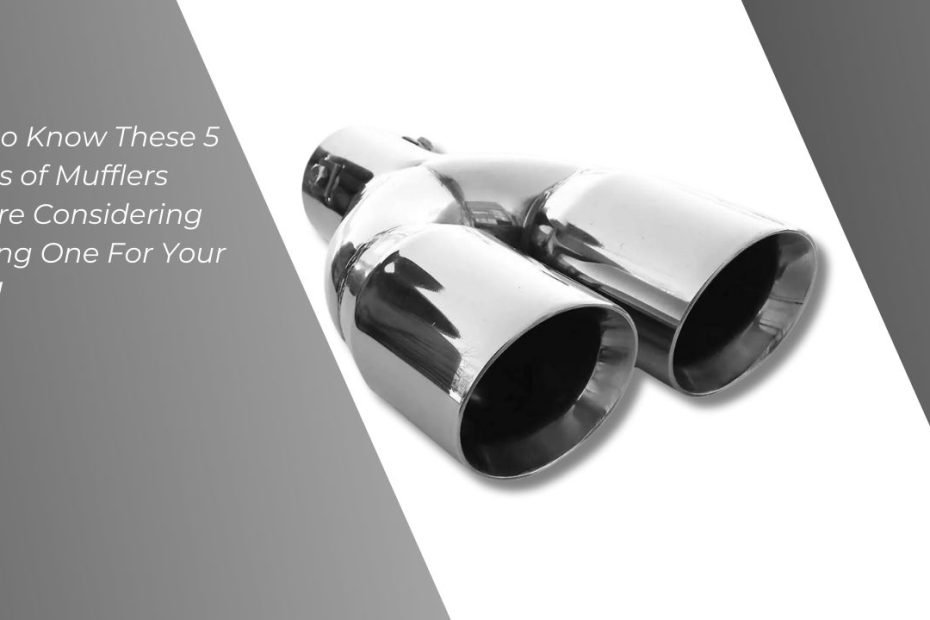
Ever fired up a generator only to be met with a roar that makes conversation impossible? You're not alone. The raw power of an internal combustion engine, while incredibly useful, comes with a significant soundtrack. That's where generator mufflers, also known as silencers, step in—they’re the unsung heroes working diligently to tame the beast. Far more than just simple pipes, understanding generator mufflers: types & functionality is crucial for anyone relying on these essential machines, from homeowners to industrial operators.
This isn't just about peace and quiet; it's about compliance, efficiency, and safety. Selecting the right muffler means navigating a landscape of design schemes, specialized functions, and stringent regulations. Let's cut through the noise and get to the heart of what these vital components do and how to choose the right one for your setup.
At a Glance: Key Takeaways
- Generator mufflers are essential for reducing noise and controlling exhaust emissions.
- Three primary types—reactive, absorptive, and combination—each tackle different sound frequencies.
- Mufflers come in various shapes and configurations to fit diverse generator setups.
- Specialized silencers can address spark arrestment, heat recovery, and harmful gas emissions.
- Sound attenuation is rated by classes (EGSA) and dBA levels, with application grades like "Residential" and "Critical."
- Choosing the right muffler depends on your environment, noise requirements, and local regulations.
Why Your Generator Needs More Than Just a Tailpipe
Before we dive into the technicalities, let’s establish why a generator muffler is so much more than a simple exhaust pipe. The combustion process within a generator’s engine creates intense pressure waves that exit the exhaust port at incredibly high speeds—often supersonic. Without proper attenuation, this creates a cacophony of sound that can be deafening, disruptive, and even illegal.
Generator silencers don't just reduce decibels; they also play a role in managing exhaust flow and, increasingly, mitigating harmful emissions. Whether your generator is an open-configuration workhorse or an enclosed, quiet-running unit, the muffler is a critical part of its exhaust system, tailored to its application and the environment it operates within. This is why a proper understanding of muffler types and their functions is not just academic, but profoundly practical.
The Science of Silence: How Generator Mufflers Work
Generator mufflers primarily function by disrupting the flow of exhaust gases and absorbing or reflecting sound waves. The effectiveness of this process depends heavily on the muffler's internal design, which is categorized into three main schemes, plus a less common fourth.
1. Reactive Silencers: Bouncing Sound Away
Think of a reactive silencer as a maze for sound waves. These mufflers are designed with a series of interconnected chambers, baffles, and expansion chambers that force the exhaust gases to change direction multiple times. As the sound waves bounce off these internal structures, they interfere with each other, causing cancellation and reducing the overall noise level.
- How they work: Sound energy is reflected back towards the source, reducing its intensity as it exits.
- Best for: Low to moderate noise demands, primarily targeting low to mid-frequency sounds, which are common in generator exhaust.
- Pros: Generally robust, economical, and effective for their designed frequency range.
- Cons: Can create some back pressure due to the flow restrictions, which might slightly impact engine efficiency if not correctly sized.
Reactive silencers are a common and versatile choice, adaptable to various generator sizes and noise reduction needs.
2. Absorptive Silencers: Soaking Up the Sound
Where reactive mufflers deflect sound, absorptive silencers soak it up. These designs feature internal passages lined with sound-absorbing materials like fiberglass or insulating glass. As exhaust gases and sound waves pass through these lined sections, the sound energy is converted into heat by friction with the porous material, effectively diminishing its intensity.
- How they work: Sound waves penetrate the fibrous material, losing energy as they travel.
- Best for: More demanding noise attenuation environments, especially effective at reducing high-frequency sound waves.
- Pros: Excellent for high-frequency noise, create less back pressure than purely reactive designs.
- Cons: The absorptive material can degrade over time, especially with high exhaust temperatures or moisture, potentially reducing its effectiveness.
Absorptive silencers are often found in applications where a higher degree of sound attenuation is required, particularly for that higher-pitched whine that can be particularly irritating.
3. Combination Silencers: The Best of Both Worlds
Many modern generator applications demand comprehensive noise reduction across the entire frequency spectrum. This is where combination silencers shine. As their name suggests, these mufflers integrate both reactive and absorptive mechanisms within a single unit. They might feature chambers and baffles (reactive elements) alongside sections lined with sound-absorbing material (absorptive elements).
- How they work: They first tackle lower and mid-frequencies with reactive chambers, then refine the sound by absorbing higher frequencies.
- Best for: Situations requiring maximum sound attenuation across all frequency ranges, making them highly versatile for a wide array of environments.
- Pros: Offer superior overall noise reduction compared to single-design types.
- Cons: Typically more complex and thus more expensive, and may still have some back pressure.
For facilities needing stringent noise control, a combination silencer is often the go-to solution, offering a balanced approach to silence.
4. Resonator Silencers: Minimizing Back Pressure
A less common but important design is the resonator silencer. These are typically designed to create less back pressure on the engine, meaning the exhaust gases can exit more freely. While beneficial for engine performance, this often comes at the cost of sound attenuation.
- How they work: They use specific dimensions and chambers to cancel out particular resonant frequencies, often with less internal obstruction.
- Best for: Applications where minimal back pressure is paramount, even if it means slightly less sound reduction.
- Pros: Can improve engine efficiency and longevity by reducing exhaust restrictions.
- Cons: Generally less effective at broad-spectrum sound attenuation compared to reactive or absorptive types.
Resonator silencers are specialized and chosen when balancing engine performance with moderate noise reduction is the priority.
Shapes and Sizes: Fitting Mufflers to Your Generator
The physical design of a generator muffler is as varied as its internal workings, largely dictated by available space and installation requirements.
Cylindrical Mufflers: The Enduring Classic
Perhaps the most recognizable form, cylindrical mufflers have been around since the early days of internal combustion engines. Their round shape is robust and efficient for packaging internal components, whether reactive, absorptive, or combination.
- Versatility: Adaptable to all three basic design schemes.
- Installation: Can be installed horizontally (common) or vertically, depending on the generator's exhaust routing and space.
- Economy: Often one of the most economical shapes due to simpler manufacturing.
Thin Mufflers: Maximizing Space Efficiency
In many modern generator setups, particularly those within sound attenuation enclosures, space is a premium. Thin mufflers are specifically designed for these constrained environments, offering diverse shapes to fit snugly where traditional cylindrical mufflers cannot.
- Shapes: Available in rectangular, elliptical, circular, or even disc shapes.
- Application: Ideal for enclosed generator sets where every inch counts, allowing for compact designs without sacrificing noise reduction.
- Benefit: Enables better enclosure design and often contributes to the overall aesthetic and footprint of the generator package.
Inlet and Outlet Configurations: Directing the Flow
The way exhaust gases enter and exit the muffler also varies, impacting installation flexibility.
- Side-in, Side-out: Inlet and outlet ports are on the same side of the muffler body.
- End-in, End-out: Inlet and outlet ports are on opposite ends of the muffler body.
- Side-in, End-out / End-in, Side-out: A combination of the above, offering specific routing advantages.
These configurations allow installers to route exhaust pipes efficiently around other generator components or building structures, ensuring a clean and safe setup. You can explore the complete guide to generator exhaust systems to see how these components fit together.
Beyond Basic Noise Reduction: Specialized Silencers
Some generator applications demand more than just quiet operation. Specialized silencers integrate additional functionalities to address unique challenges, from fire safety to environmental protection.
Mars Brake Silencers: Spark Arrestment for Safety
In environments where combustible materials are present (e.g., forests, agricultural areas, fuel storage facilities), preventing spark discharge from the exhaust is critical. Mars Brake silencers are specifically designed to address this.
- How they work: Typically cylindrical, these mufflers feature an improved reactive design that circulates carbon sparks inside the muffler. These sparks lose energy and fall into a collection box at the bottom, which can then be cleaned out.
- Regulations: The National Fire Protection Association (NFPA) regulations often require exhaust system modifications, including spark arrestors, in such environments to prevent spark discharge and potential fires.
- Application: Essential for generators operating near flammable materials or in areas prone to wildfires.
Hot Air Mufflers / Heat Recovery Silencers: Capturing Waste Energy
Internal combustion engines are notoriously inefficient at converting fuel energy into usable power; a significant portion is lost as heat, much of it through the exhaust. Hot air mufflers, also known as heat recovery silencers, are ingenious devices that turn this waste heat into a valuable resource.
- How they work: They capture the heat from exhaust gas, which can reach temperatures up to 1400 degrees Fahrenheit, before it's released into the atmosphere. This captured energy can then be utilized as an external heat source—for space heating, water heating, or even to drive other processes.
- Benefits: Increases the overall energy efficiency of the generator system, reduces operating costs, and simultaneously provides sound attenuation.
- Application: Ideal for combined heat and power (CHP) systems, industrial facilities, or any setting where there's a demand for thermal energy alongside electricity.
Exhaust Control Mufflers / Catalytic Silencers: Cleaning Up Emissions
With growing environmental awareness and stricter regulations, simply reducing noise is often not enough. Exhaust control mufflers, particularly catalytic silencers, are designed to address both harmful gas emissions and noise.
- How they work: These silencers incorporate catalytic converters, often designed with a honeycomb grid coated with precious metals (like platinum, palladium, and rhodium). As hot exhaust gases pass over this catalyst, harmful pollutants like carbon monoxide (CO), nitrogen oxides (NOx), and unburnt hydrocarbons (HC) are chemically converted into less harmful substances like water vapor, nitrogen, and carbon dioxide.
- Regulations: The National Environmental Protection Agency (EPA) enforces stringent regulations requiring catalytic converters for many main electricity generators to reduce emissions, especially in non-attainment areas.
- Particulate Filters: Often used in conjunction with catalytic converters, particulate filters (made with ceramic material) physically trap ash and particulate matter from diesel exhaust, further reducing air pollution. Lean burn engines may also use additives to aid in emissions reduction. Many new silencers now combine converters and sound attenuation components into a single unit for a comprehensive solution.
For generators in urban areas or those subject to strict environmental permits, a catalytic silencer is not just an option—it's a necessity. It’s a key component in understanding and navigating generator regulations related to environmental impact.
Deciphering the Decibels: Generator Silencer Ratings & Regulations
Understanding how generator mufflers are rated for sound attenuation is crucial for selecting the appropriate unit and ensuring compliance with local noise ordinances.
The EGSA Rating System: A Guide to Quiet
The Electrical Generating Systems Association (EGSA) has developed an 8-class rating system for generator silencers, providing a standardized way to compare their performance:
- Class 1 (Least Attenuation) to Class 8 (Highest Attenuation): As you move up the classes, the level of sound attenuation significantly increases. This system helps differentiate between basic noise reduction and advanced quieting.
Understanding dBA: How We Hear Sound
Sound attenuation is universally measured in dBA (A-weighted decibels). The "A-weighted" scale is critical because it specifically reflects how the human ear perceives sound. It de-emphasizes very low and very high frequencies, focusing on the mid-range where human hearing is most sensitive.
- The Scale: Every increase of 10 dBA represents a perceived doubling of loudness. A reduction of even a few dBA can make a noticeable difference in comfort.
Common Application Grades and Their Attenuation Ranges
Beyond the EGSA classes, mufflers are often categorized by "grades" that correspond to typical application environments and their expected dBA reduction:
- Commercial Grade: Offers a moderate reduction of 14 – 20 dBA. Suitable for industrial sites where ambient noise is already high or where the generator is far from sensitive areas.
- Residential Grade: Provides 19 – 25 dBA attenuation. Designed for residential areas where some noise is acceptable, but significant reduction is desired for neighborly peace.
- Critical Grade: Delivers 25 – 35 dBA reduction. Used in environments where noise control is important, such as near offices, hospitals, or residential zones with stricter limits.
- Critical Plus: An enhanced critical grade, offering 30 – 38 dBA reduction. For when critical isn't quite enough.
- Super Critical Grade: A higher level, with 32 – 42 dBA attenuation. Often required in very sensitive areas or densely populated zones.
- Extreme Grade: Provides a significant 40 – 52 dBA reduction. For situations demanding near-silent operation, often in very quiet environments.
- Super Extreme: The highest attenuation, offering 45 – 60 dBA reduction. Reserved for the most sensitive applications, where even the slightest hum would be unacceptable.
Placement, Distance, and Legal Compliance
It's vital to remember that a generator's placement significantly impacts the perceived sound level and the actual performance of the silencer. Sound level grades are typically awarded based on measurements taken at a distance of 7 meters (approximately 23 feet) from the generator.
- OSHA Guidelines: The Occupational Safety and Health Administration (OSHA) sets strict guidelines for permissible noise exposure levels in workplaces to protect workers' hearing.
- Local Ordinances: Municipalities and local jurisdictions often have specific noise ordinances that dictate allowable sound levels at property lines, especially during certain hours. Failing to comply can result in fines or operational restrictions.
- Environmental Requirements: Beyond noise, regulations regarding emissions (EPA) and fire safety (NFPA) further define the parameters for legally and safely allowable generator operation.
Choosing the right muffler means not just considering your own comfort, but also adhering to these crucial safety and legal requirements.
Choosing the Right Muffler: Key Considerations for Your Generator
Selecting the perfect generator muffler isn't a one-size-fits-all decision. It requires careful consideration of several factors to ensure optimal performance, compliance, and cost-effectiveness.
1. Assess Your Noise Requirements
- Location: Where will the generator operate? Is it in a remote industrial zone, a suburban backyard, a downtown urban setting, or inside a building?
- Local Ordinances: Research and understand your local noise regulations. These often dictate maximum allowable decibel levels at property lines and during specific times of day. This is the single biggest driver for muffler grade.
- Desired Comfort Level: How much noise are you personally willing to tolerate? And how much noise can your neighbors or surrounding environment withstand? A "Residential" grade might be technically compliant, but a "Critical" or "Super Critical" might offer more peace of mind.
2. Consider Generator Size and Type
- Output (kW/kVA): Larger generators typically produce more noise and hotter exhaust, requiring more robust and effective muffling solutions.
- Open vs. Enclosed: Open configuration generators often require silencers as standalone accessories. Enclosed generator sets usually come with integrated mufflers, but understanding their type and rating is still important for maintenance or upgrades.
- Engine Type (Diesel vs. Gas): Diesel engines often produce more particulate matter, making particulate filters a common requirement. The exhaust gas temperatures and compositions also vary, influencing material selection.
3. Evaluate Available Space and Installation Constraints
- Physical Footprint: Do you have ample space for a large cylindrical muffler, or are you limited to compact, thin mufflers (rectangular, elliptical, etc.) that fit into tight enclosures?
- Exhaust Routing: Consider the path the exhaust must take. This will influence the choice of inlet/outlet configuration (Side-in, Side-out; End-in, End-out; etc.). Vertical vs. horizontal installation options also come into play.
- Mounting: Ensure the muffler can be securely mounted to withstand vibrations and exhaust pressure.
4. Address Environmental and Safety Concerns
- Emissions Regulations: Is your generator subject to EPA emissions standards? If so, you'll need a catalytic silencer and potentially particulate filters. This is especially true for main electricity generators.
- Combustible Environments: If the generator operates near flammable materials, a spark-arresting (Mars Brake) muffler is a non-negotiable safety requirement to comply with NFPA regulations.
- Heat Recovery: Can you benefit from recovering waste heat? If so, a hot air muffler / heat recovery silencer could significantly improve overall system efficiency and provide a return on investment.
5. Balance Budget and Performance
- Upfront Cost vs. Long-Term Value: While higher-grade mufflers come with a greater initial investment, they can prevent fines, improve community relations, and potentially enhance efficiency (in the case of heat recovery).
- Maintenance: Consider the longevity and maintenance requirements of different muffler types. Absorptive materials can degrade over time, for example, needing eventual replacement. When planning your generator system, it's wise to consider routine generator maintenance tips for all components, including the muffler.
6. Consult with Experts
When in doubt, consult with generator suppliers or acoustic specialists. They can perform site assessments, recommend specific muffler types and grades, and help you navigate the complexities of local regulations and technical specifications.
By meticulously evaluating these factors, you can make an informed decision that ensures your generator operates safely, efficiently, and quietly, fulfilling its purpose without becoming a nuisance.
The Long-Term Impact: Why Proper Muffler Selection Pays Off
Investing in the right generator muffler is more than just a purchase; it's a strategic decision that contributes to the overall success and longevity of your power generation system. A well-chosen muffler minimizes noise complaints, keeps you in compliance with environmental and safety regulations, and can even boost energy efficiency if you opt for heat recovery. This thoughtful approach protects your investment, ensures operational continuity, and maintains positive relations with your surroundings.
Understanding the nuanced differences between reactive, absorptive, and combination designs, recognizing the benefits of specialized functions like spark arrestment or catalytic conversion, and interpreting attenuation ratings are all crucial steps. Ultimately, this knowledge empowers you to select a muffler that not only silences the roar but also optimizes your generator's performance in every meaningful way. For a deep dive into the world of generator mufflers and their impact, continued learning is key.