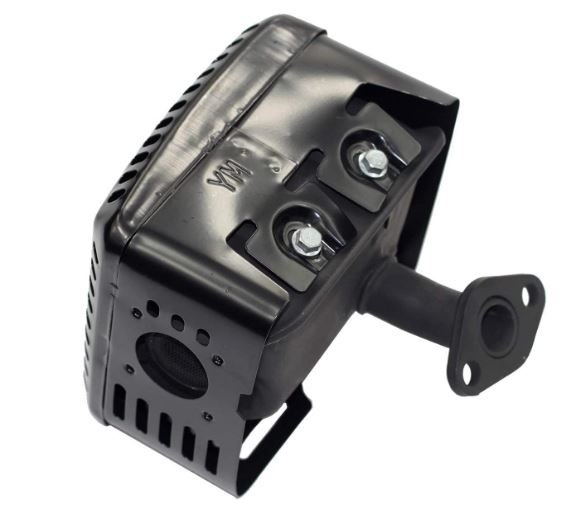
Let's face it: while a portable generator is an indispensable tool, its roar can quickly turn convenience into a nuisance. Whether you're powering a job site, camping under the stars, or weathering a storm, the incessant drone of an un-muffled generator grates on nerves, disturbs neighbors, and can even violate local noise ordinances. This is where your generator's muffler steps in, transforming a cacophony into a manageable hum. Mastering Generator Muffler Maintenance, Troubleshooting & Longevity isn't just about peace and quiet; it's about safeguarding your generator's performance, extending its life, and ensuring reliable power when you need it most.
A well-maintained muffler doesn't just silence your machine; it optimizes exhaust flow, which can actually boost efficiency and prevent premature wear on your engine. Neglect it, and you're inviting louder operation, potential engine problems, and even safety hazards.
At a Glance: Key Takeaways for Muffler Mastery
- Noise Reduction is Just the Start: A good muffler also improves engine efficiency, extends lifespan, and ensures regulatory compliance.
- Match Meticulously: When choosing a muffler, always align it with your generator's engine size, power output, exhaust pipe diameter, and choose quality materials like stainless steel.
- Safety First: Always ensure your generator is off and completely cool before any inspection, maintenance, or replacement work. Disconnect the spark plug for extra peace of mind.
- Inspect Regularly: Look for rust, corrosion, carbon buildup, and loose mounting hardware. Early detection saves headaches.
- Replace When Needed: Don't ignore increased noise or visible damage like cracks or holes. A compromised muffler impacts performance and safety.
- Follow Torque Specs: Correct torque on mounting hardware prevents leaks, damage, and ensures optimal noise suppression.
Understanding Your Generator's Voice: Why Mufflers Aren't Optional
Your generator, at its heart, is a combustion engine, and combustion creates noise. The primary culprits are the rapid expansion of exhaust gases and the pressure waves they generate, alongside contributions from the engine block, cooling fan, and alternator. Without a muffler, this creates a sound environment that's, frankly, unbearable for most residential, recreational, or even many construction settings.
Adding or maintaining a high-quality muffler isn't merely about turning down the volume. It's a critical component that offers several synergistic benefits:
- Noise Reduction: This is the obvious win. A good muffler significantly lowers decibel levels, making your generator far more neighbor-friendly and pleasant to be around. For homeowners, construction crews, or outdoor event organizers, this is a non-negotiable comfort.
- Optimized Engine Performance: Believe it or not, a properly designed muffler can actually smooth exhaust flow. This reduces backpressure on the engine, potentially improving efficiency and fuel economy.
- Increased Longevity: By optimizing exhaust flow and protecting other exhaust system components, the muffler reduces stress on your generator's engine, contributing to its overall lifespan.
- Regulatory Compliance: Many communities have strict noise ordinances. A functional muffler helps ensure your generator operates within legal limits, preventing fines or disputes.
Think of your generator's muffler like a finely tuned musical instrument – when it's working right, it harmonizes the engine's output. When it's not, it's just noise.
Choosing the Right Silencer: Matching a Muffler to Your Machine
When it comes time to choose a new muffler, whether for replacement or a first-time installation, it's not a one-size-fits-all situation. Making the right choice is crucial for both noise reduction and engine health. Here's what to consider:
- Engine Size and Power Output: This is paramount. A muffler designed for a small recreational generator won't be effective (or even compatible) with a large industrial model. Match the muffler's rating to your generator's horsepower or kilowatt rating to ensure it can handle the exhaust volume and pressure.
- Exhaust Pipe Diameter: Precision here is key. The muffler's inlet and outlet must precisely match your generator's existing exhaust pipe diameter. Any mismatch will lead to leaks, reduced efficiency, and ineffective noise suppression. Measure accurately before purchasing.
- Material Quality: Invest wisely. Stainless steel mufflers offer superior durability and corrosion resistance, especially vital in outdoor or humid environments where rust is a constant threat. While aluminum or standard steel options might be cheaper upfront, they won't stand up to the elements nearly as well, leading to premature failure.
- Type of Muffler: You have options, each with different noise characteristics.
- Chambered mufflers use internal baffles and chambers to reflect sound waves, effectively canceling them out. They are generally good for broadband noise reduction.
- Glass pack mufflers feature a perforated core wrapped in fiberglass packing, absorbing sound. They tend to have a more aggressive, lower tone.
- Turbo-style mufflers often combine elements, directing exhaust through a series of chambers and perforations for efficient sound deadening.
For more detailed insights into how these different designs achieve their quiet results, you might want to explore different muffler types.
First-Time Install? Adding a Muffler to Your Generator
Adding a muffler to a generator that lacks one, or upgrading an existing setup, is a straightforward process for the mechanically inclined. However, safety must always be your top priority.
Safety First:
Before you even touch a wrench, ensure your generator is completely turned off and cool. Exhaust components get incredibly hot during operation, posing a severe burn risk. Additionally, for any work involving the engine, it's a best practice to disconnect the spark plug to prevent any accidental starts. Wear appropriate Personal Protective Equipment (PPE), including gloves and eye protection.
Step-by-Step Installation:
- Identify Exhaust Outlet: Locate the exhaust pipe on your generator. It's typically a metal pipe extending from the engine, often at the back or side.
- Remove Existing Tip (If Any): If there's an existing exhaust tip or a rudimentary sound deflector, detach it using a wrench or screwdriver. You're aiming for the bare exhaust pipe.
- Choose Mounting Position: Align the new muffler's inlet with the exhaust pipe. Ensure it fits snugly and doesn't interfere with other generator components or airflow. Consider how it will be supported; you don't want it rattling or putting undue strain on the exhaust pipe.
- Attach Muffler Securely: Slide the muffler onto the exhaust pipe. Use sturdy clamps or bolts to fasten it tightly. A secure fit is paramount to prevent exhaust leaks, which diminish noise reduction and can be dangerous.
- Check for Leaks: Once installed, briefly start your generator (reconnect the spark plug first!). Listen for any hissing sounds or visually check for exhaust gases escaping around the connection points. If you detect any leaks, turn the generator off, let it cool, and tighten the connections further.
This process, while simple, ensures your generator runs quieter and more efficiently. If you're comfortable with this, you're likely ready to tackle other DIY generator maintenance tasks on your machine.
Keeping the Peace: Essential Muffler Maintenance for Longevity
Proactive maintenance is the cornerstone of any generator's long and trouble-free life, and the muffler is no exception. Regular attention can prevent minor issues from becoming major headaches, preserving both your peace and your generator's performance.
- Regular Inspection for Rust and Corrosion: Your muffler lives in a harsh environment. Moisture, exhaust gases, and fluctuating temperatures conspire to create rust and corrosion. Make it a habit to visually inspect the muffler and the entire exhaust system frequently. Look for pitting, flaking, or any discoloration that suggests rust is setting in. Early detection allows for treatment or timely replacement before it compromises the muffler's integrity. To understand exhaust system corrosion better, consider the specific conditions your generator operates in.
- Clean Carbon Deposits: Over time, carbon from combustion will accumulate inside the muffler. These deposits can restrict exhaust flow, increase backpressure, and reduce the muffler's noise-dampening capabilities. Periodically remove the muffler (if easily detachable) and gently tap out loose carbon or use a wire brush to clean the internal passages. Be careful not to damage any internal baffles.
- Check Mounting Hardware: Vibrations from the running engine can loosen clamps and bolts over time. A loose muffler will rattle, cause exhaust leaks, and eventually lead to damage. During your inspections, gently try to wiggle the muffler. If it moves, tighten all clamps and bolts. Replace any stripped or rusted hardware.
- Know When to Replace Promptly: This is critical. A muffler with visible cracks, holes, or excessive rust needs to be replaced. These breaches allow exhaust gases (and noise) to escape prematurely, rendering the muffler ineffective. Ignoring them isn't just about noise; exhaust leaks can direct hot gases at other generator components, potentially causing damage, and carbon monoxide leaks pose a serious safety risk.
The Big Fix: When to Replace Your Generator's Muffler
Even with diligent maintenance, mufflers have a finite lifespan. Knowing the telltale signs of a failing muffler allows you to replace it proactively, maintaining both your generator's efficiency and your sanity.
Clear Indicators for Replacement:
- Increased Operational Noise: This is the most obvious sign. If your generator sounds significantly louder than usual, especially a harsh, unmuffled roar, it's a strong indicator that the muffler has failed internally or developed a significant external breach.
- Visual Signs of Damage: Look for physical damage like large cracks, holes, excessive rust leading to perforations, or components that look bent or misaligned.
- Decreased Engine Performance: A severely clogged or damaged muffler can create excessive backpressure, hindering the engine's ability to expel exhaust gases efficiently. This can manifest as reduced power output, stalling, or the engine struggling under load.
- Potential Internal Baffling Damage: While not always visible externally, internal baffles can rust, break, or come loose. This leads to rattling noises from within the muffler itself and a noticeable drop in noise reduction, even if the exterior looks intact.
Why Prompt Replacement Matters:
Delaying muffler replacement isn't just an annoyance; it can have significant repercussions: - Compromised Noise Control: The primary function is lost, defeating the purpose of having a muffler in the first place.
- Reduced Engine Efficiency: A failing muffler often means suboptimal exhaust flow. This can lead to increased fuel consumption and reduced power, making your generator less effective and more costly to run.
- Safety Risks: Exhaust leaks, particularly in enclosed or poorly ventilated areas, can release dangerous carbon monoxide (CO) gas. This odorless, colorless gas is highly toxic. Any exhaust leak is a serious safety concern that must be addressed immediately.
Replacing a worn or damaged muffler is a routine, yet vital, maintenance task. It directly impacts your generator's noise levels, performance, and operational safety. To Learn more about generator mufflers in general, understanding their internal workings can further underscore the importance of timely replacement.
A Step-by-Step Guide to Optimal Muffler Replacement
Replacing your generator's muffler might seem daunting, but by following a structured approach and adhering to best practices, you can ensure a successful, long-lasting fix.
Pre-Replacement Checklist:
- Thorough Assessment: Before ordering parts, meticulously inspect the existing muffler and surrounding exhaust components. Confirm the extent of the damage (corrosion, cracks, internal obstructions) to definitively determine if replacement is necessary or if a repair is feasible.
- Component Compatibility: This cannot be stressed enough. The new muffler must precisely match your generator's specifications. Verify the size, thread type, and backpressure rating against your generator's manual or the original part number. An incompatible part can lead to exhaust leaks, reduced noise suppression, engine damage, decreased performance, increased fuel consumption, and potentially void your generator's warranty.
- Safety Protocols: Always begin by disconnecting the generator from its power source (e.g., unplugging external loads, turning off the fuel valve if applicable). Allow the engine and exhaust system to cool completely—this can take an hour or more. Wear personal protective equipment (PPE), including sturdy work gloves and eye protection. For an extra layer of safety, disconnect the spark plug wire to prevent any accidental engine ignition during the process.
The Replacement Process: - Remove the Old Muffler: Using appropriate wrenches or sockets, carefully unbolt or unclamp the old muffler from the exhaust pipe and any mounting brackets. Be prepared for some resistance if bolts are rusted. Applying a penetrating oil beforehand can help.
- Clean Mounting Surfaces: Once the old muffler is off, thoroughly clean any carbon buildup or rust from the exhaust pipe and mounting points. A clean surface ensures a tight seal with the new muffler.
- Secure Mounting: Position the new muffler, ensuring correct orientation. Fasten it securely to the exhaust pipe and mounting brackets. If your new muffler came with new gaskets or if the manufacturer recommends a specific exhaust sealant, apply them now. These are crucial for creating a leak-proof seal. Loose connections are the primary cause of exhaust leaks and diminished noise reduction.
- Adhere to Torque Specifications: This is often overlooked but incredibly important. Consult your generator's service manual for the manufacturer-recommended torque specifications for all mounting hardware. Use a torque wrench to tighten bolts to these exact specifications. Over-tightening can strip threads or damage components, while under-tightening can lead to leaks and eventual loosening.
- Post-Installation Inspection: Reconnect the spark plug wire. Start the generator briefly (preferably outdoors or in a very well-ventilated area). Listen carefully for any unusual noises or hissing, which would indicate exhaust leaks. Visually inspect all connections for escaping gases. Address any issues immediately by tightening or re-sealing.
Regular Maintenance Post-Replacement:
Once your new muffler is installed, implement a routine inspection schedule for the entire muffler and exhaust system. This proactive approach helps detect potential problems early, ensuring your investment in a new muffler pays off with consistent performance and longevity.
Critical Considerations for a Smooth Swap
Beyond the step-by-step instructions, a deeper understanding of the "why" behind certain best practices can make all the difference in achieving a successful and lasting muffler replacement.
- Understanding Component Degradation Identification: Early detection of muffler degradation is crucial. It's not just about noise. A compromised muffler can lead to increased noise pollution, reduced engine efficiency (due to backpressure), and significant safety risks from exhaust leaks—most notably, the silent danger of carbon monoxide. Regular visual checks, listening for changes in sound, and monitoring engine performance are your best defense.
- Noise Reduction Efficacy: This is the primary performance metric for your muffler. Maintaining optimal noise reduction requires proactive replacement when wear or damage starts to compromise its internal baffling or external integrity. Don't wait until your generator is screaming at you.
- Proper Installation Techniques: As highlighted, proper installation is non-negotiable. Correct torque, the use of new gaskets or sealant, and ensuring a snug, leak-free fit are essential. Not only do these techniques ensure regulatory compliance and maximum engine efficiency, but they also contribute to better fuel consumption. Incorrect torque or improper sealing can directly lead to exhaust leaks, premature component damage, and failure to comply with noise regulations.
- Compatibility Verification: This critical step is worth reiterating. Always verify the compatibility of your new muffler with your generator's exact make and model. While aftermarket options exist, Original Equipment Manufacturer (OEM) parts are often recommended for their precise fit, optimal performance, and adherence to warranty guidelines. If you opt for an aftermarket part, verify its specifications meticulously. Failing to do so can result in exhaust leaks, reduced noise suppression, potential engine damage, decreased performance, increased fuel consumption, and even voiding your generator's warranty. When selecting any replacement part, you want to make informed decisions when choosing replacement generator parts.
- Exhaust System Integrity: Remember, the muffler doesn't operate in isolation. Its performance is inextricably linked to the entire exhaust system. If the exhaust pipes leading to or from the muffler are corroded, have cracks, or if their connections are loose, even a brand-new muffler won't perform optimally. These issues will negate much of the new muffler's effect, leading to suboptimal noise reduction and premature wear on the entire system. Always inspect the entire exhaust system for any signs of leaks or damage when you're focusing on the muffler.
Your Top Questions Answered: Generator Muffler FAQs
We’ve covered a lot, but some common questions frequently arise when dealing with generator mufflers. Here are crisp, direct answers to help you navigate your generator care.
What are the clearest indicators that my generator's muffler needs replacement?
The most common indicators are a significant increase in operational noise, visual signs of damage like cracks, holes, or excessive rust, and potentially a noticeable decrease in engine performance (e.g., struggling or reduced power). Internal baffling damage can also cause rattling noises from within the muffler.
Should I choose an aftermarket muffler or an OEM (Original Equipment Manufacturer) part?
While aftermarket options can be more budget-friendly and offer varying noise reduction characteristics, OEM parts are generally recommended. They guarantee a precise fit, optimal performance as designed by the manufacturer, and often help maintain warranty adherence. If you choose aftermarket, rigorously verify its specifications against your generator's requirements.
Do I need specialized training or tools to replace a generator muffler myself?
A mechanically inclined individual with a basic understanding of engine and exhaust systems, along with common hand tools (wrenches, sockets, torque wrench), can typically perform the task. However, for complex or larger industrial generators, or if you're unfamiliar with engine mechanics, professional consultation is advisable to ensure safety and proper installation.
What is the anticipated lifespan of a generator muffler?
The lifespan varies significantly based on several factors: usage frequency, the environmental conditions it operates in (e.g., humid, salty air can accelerate corrosion), and the material quality of the muffler itself. Regular maintenance, such as cleaning carbon deposits and checking for rust, can extend its life, while corrosive environments or excessive vibration can shorten it considerably.
Will replacing the muffler require adjustments to other generator components, like the carburetor?
Typically, no. A muffler replacement is usually a self-contained process. However, it's always advisable to inspect the entire exhaust system during replacement. If a new muffler significantly alters the backpressure (which is rare with a like-for-like replacement), minor carburetor adjustments might theoretically be needed, but this is uncommon. Always check your generator's manual or consult a professional if you suspect such a need.
Beyond the Muffler: Extra Strategies for Quieter Operation
While a well-maintained or new muffler is the single most effective way to reduce generator noise, you can employ additional strategies to further dampen the decibels and create a more serene environment. These tactics complement your muffler's performance. For even more generator noise reduction tips, consider a multi-pronged approach.
- Soundproof Enclosures: Custom-built cages or boxes, lined with sound-absorbing materials like mass-loaded vinyl or acoustic foam, can drastically reduce noise levels. Ensure any enclosure allows for adequate airflow to prevent overheating and has proper exhaust venting to avoid carbon monoxide buildup.
- Rubber Pads for Vibration: Generators vibrate. That vibration can transfer to the ground or whatever surface it rests on, amplifying noise. Placing your generator on heavy-duty rubber pads or specialized anti-vibration mats can significantly reduce this resonance noise, particularly lower-frequency hums.
- Strategic Location Placement: Simple physics can be your friend. Position your generator as far away from windows, neighboring properties, or gathering areas as possible. Directing the exhaust away from populated zones can also make a noticeable difference. Even placing it behind a sturdy barrier or natural incline can help reflect sound away.
Your Next Steps: Ensuring a Quieter, More Efficient Generator
Maintaining, troubleshooting, and occasionally replacing your generator's muffler isn't just about reducing noise; it's a critical aspect of responsible generator ownership. By understanding the 'why' and 'how' of muffler care, you empower yourself to extend your generator's lifespan, improve its efficiency, and ensure it's always ready to provide reliable power when you need it most—without the headache of excessive noise.
Regular inspections, timely cleaning, and proactive replacement are your best allies. Don't wait for your generator to scream for attention. Implement a routine check-up schedule, listen for changes in its 'voice,' and address any issues promptly. A little attention now can save you significant frustration and expense down the road, ensuring your generator remains a powerful, yet civil, part of your emergency preparedness or outdoor toolkit.