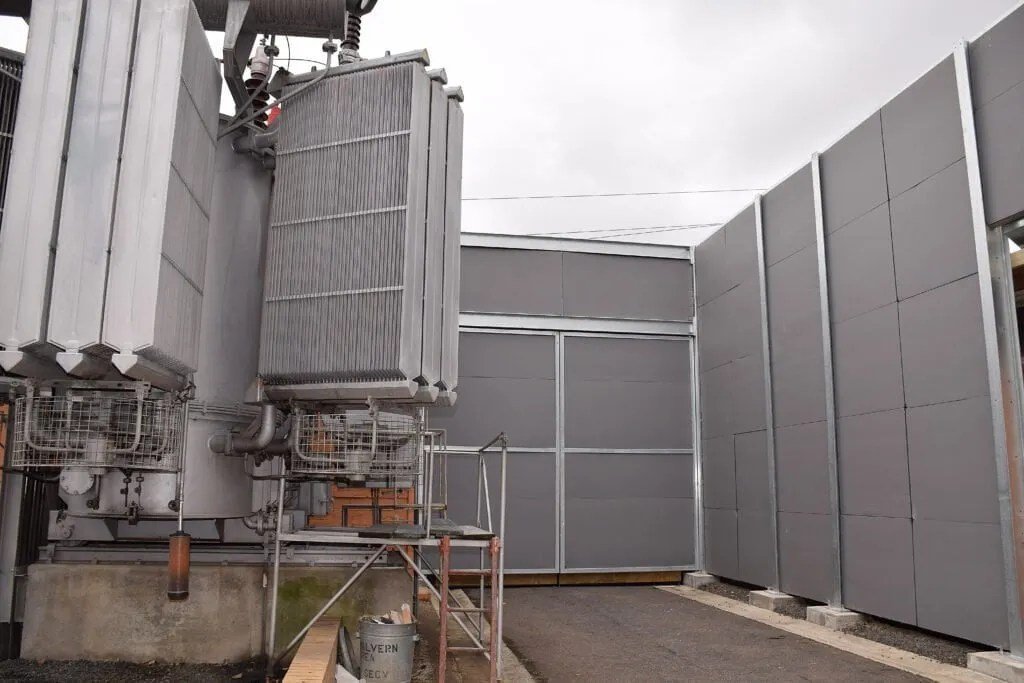
When the hum of a generator turns into a roar, it’s not just an annoyance; it’s a problem that impacts everything from neighborhood peace to operational longevity. That's where the Benefits of Generator Mufflers: Noise Reduction & Compliance come into sharp focus. A well-designed muffler system isn't just an accessory; it's a critical component for anyone needing reliable power without the cacophony. From residential backup power to construction sites and remote events, managing generator noise is paramount, and mufflers are your first line of defense against disruption and regulatory fines.
Let's dive into why these unassuming components are essential for a quieter, more efficient, and compliant generator operation.
At a Glance: Why Mufflers Matter for Your Generator
- Significant Noise Reduction: Slash decibel levels, making generators usable in noise-sensitive areas.
- Environmental Friendliness: Help reduce harmful exhaust emissions and your carbon footprint.
- Boosted Performance & Efficiency: Optimize engine operation, leading to better power, fuel economy, and equipment lifespan.
- Enhanced Safety: Act as a heat shield, preventing overheating and reducing fire risks.
- Increased Durability & Longevity: Protect internal components from exhaust damage, cutting down on wear and tear and maintenance.
- Crucial for Compliance: Meet local noise ordinances and environmental regulations, avoiding costly penalties.
Taming the Roar: How Mufflers Quiet Your Generator
Generators, by their nature, are mechanical powerhouses, and that power often comes with a significant amount of noise. The primary source of this racket? The exhaust system. Think of a car without a muffler – it’s loud, raw, and impactful. A generator is no different.
A generator muffler, much like its automotive counterpart, is engineered to mitigate sound waves emanating from the exhaust gases. It does this through a sophisticated design involving:
- Acoustic Materials: These materials absorb sound energy, converting it into heat, which then dissipates.
- Chambers and Baffles: Exhaust gases are forced through a series of chambers and perforated tubes. This labyrinthine path causes sound waves to bounce off surfaces, collide with each other, and lose energy, effectively canceling out much of the noise before it escapes into the atmosphere.
- Resonators: Some mufflers include resonators, which are specifically tuned chambers designed to cancel out specific frequencies of sound, making the overall noise profile more agreeable.
The result is a substantial drop in decibel levels, transforming a potentially disruptive machine into a much more neighbor-friendly one. This is especially vital for generators used in residential areas, campgrounds, or any location where peace and quiet are valued.
Beyond Silence: The Unseen Perks of a Muffler System
While noise reduction is often the headline benefit, the advantages of a generator muffler extend far beyond just quieting your machine. These systems play a multifaceted role in the overall operation, safety, and lifespan of your equipment.
Environmental Stewardship: Reducing Your Generator's Footprint
In an era of increasing environmental awareness, every step towards sustainability counts. Generator mufflers contribute significantly to this effort by:
- Minimizing Harmful Emissions: Modern mufflers often incorporate catalytic converters or other emission control technologies. These components chemically alter harmful exhaust gases—like carbon monoxide, hydrocarbons, and nitrogen oxides—into less noxious substances before they're released into the air.
- Reducing Air Pollution: By cutting down on these pollutants, mufflers play a direct role in improving air quality, especially in enclosed or semi-enclosed spaces where generators might operate.
- Shrinking Carbon Footprint: While not a complete solution, reducing overall emissions contributes to a smaller carbon footprint for your generator, aligning with eco-conscious practices.
Choosing a generator with an efficient muffler system isn't just good for your ears; it's a responsible choice for the planet.
Turbocharging Performance: Efficiency and Power Gains
It might seem counterintuitive, but a well-designed muffler can actually improve generator performance. How?
- Optimizing Exhaust Flow: A properly engineered muffler minimizes "back pressure" — the resistance exhaust gases encounter when exiting the engine. Excessive back pressure can choke the engine, forcing it to work harder to expel gases.
- Enhanced Engine Efficiency: With less resistance, the engine breathes easier, allowing it to operate more effectively. This translates directly to better power output, meaning your generator can deliver more electricity with the same amount of fuel.
- Improved Fuel Economy: When an engine runs more efficiently, it consumes less fuel for the same workload. This means fewer trips to the gas station and significant savings over the long run.
- Longer Equipment Lifespan: A less strained engine experiences less wear and tear. This prolongs the life of critical components, reducing the frequency and cost of repairs.
Think of it like an athlete with clear airways versus one struggling to breathe. The clear airways lead to better performance and endurance.
Safety First: Shielding Against Heat and Hazards
Generators produce a lot of heat, especially around the exhaust system. This can pose a significant safety risk, but a muffler system acts as a crucial safeguard:
- Heat Dissipation: Mufflers are designed to effectively dissipate the extreme heat generated during operation, preventing it from concentrating in one area.
- Burn and Fire Prevention: By containing and channeling hot exhaust gases, mufflers reduce the risk of accidental burns to anyone working near the generator. More critically, they lower the chances of combustible materials nearby igniting due to radiant heat or direct contact with hot exhaust components.
- Protection of Internal Components: The heat shielding provided by the muffler also protects sensitive internal generator components from excessive heat, which can lead to premature failure.
This added layer of protection ensures safer operation for users and contributes to the overall reliability of the unit.
Built to Last: Durability and Longevity of Your Investment
A generator is a significant investment, and you want it to last. Muffler systems contribute to the long-term health of your machine:
- Protection from Exhaust Gas Damage: Exhaust gases are hot, corrosive, and can contain abrasive particles. The muffler system channels these gases away from sensitive engine components, preventing corrosion and wear.
- Reduced Vibrations: By smoothing exhaust flow, mufflers can also help reduce engine vibrations, which can otherwise loosen connections and accelerate wear on various parts.
- Minimized Breakdowns: A generator that runs efficiently, stays cool, and is protected from corrosive gases is less prone to unexpected breakdowns. This means more uptime and less frustration.
- Lower Maintenance Needs: By reducing wear and tear, mufflers indirectly contribute to lower maintenance requirements over the generator's life, saving you time and money.
Ultimately, a generator with a robust muffler system is a cost-effective, long-term investment that delivers reliable power for years to come. For a deeper dive into generator maintenance and optimizing your unit's lifespan, explore our Generator muffler resource hub.
Navigating the Decibel Dilemma: Generator Noise and Compliance
Without proper attenuation, a typical generator can easily hit 70-90 decibels (dB) at a distance of 23 feet. To put that in perspective, 85 dB is the level at which prolonged exposure can cause hearing damage, and even short bursts can be highly disruptive. Many local ordinances have strict limits, often as low as 45-55 dB, especially during nighttime hours.
Compliance isn't just about being a good neighbor; it's about avoiding hefty fines and potential legal issues. Understanding the full scope of noise reduction strategies is key to operating your generator legally and responsibly.
Beyond the Muffler: Comprehensive Noise Reduction Strategies
While mufflers are indispensable, they are often just one piece of a larger acoustic puzzle. To truly quiet a generator and ensure compliance, especially in sensitive applications, you need a multi-pronged approach:
- Identify the Full Noise Path: Noise doesn't just come from the exhaust. It radiates from the engine block, the cooling fan, air intake, and vibrations through the ground. Each source needs targeted treatment.
- Increase Distance: This is the simplest, most effective, and cheapest method. Sound pressure drops significantly with distance. Doubling the distance from your generator can reduce perceived loudness by about 6 dB. Moving a unit from 10 feet to 40 feet, for instance, can make it 75% quieter to the listener.
- Orient Exhaust and Intakes Strategically: Never point the exhaust towards reflective surfaces like concrete walls or metal fences, as these amplify noise. Use directional exhaust deflectors (curved pipes, elbows) to redirect noise upward or towards absorptive surfaces like landscaped berms. This can achieve a 6–10 dB reduction.
- Reduce Mechanical Vibration: Generator engines vibrate, and these vibrations transfer to the frame and ground, becoming structure-borne noise. Install isolation mounts (elastomeric pads, spring isolators) under the generator to block this transfer. Correctly sized and tuned mounts can reduce structure-borne noise by 10 to 18 dB.
- Shield Airborne Noise: Constructing barriers or enclosures around the generator can block direct sound transmission. Use treated acoustic barrier panels with high Noise Reduction Coefficients (NRC) of 0.85 or higher (e.g., mineral wool, perforated steel). Ensure any design maintains adequate airflow to prevent overheating and resists moisture.
- Enclose the Generator: This is often the most effective passive noise reduction strategy. Purpose-built sound attenuation systems offer substantial noise reduction, typically 20 to 35 dB. These commercial enclosures integrate baffled air inlets, exhaust silencers, and ASTM E90-rated internal insulation. Be cautious with homemade covers, as they usually offer minimal reduction (4–6 dB) and can cause dangerous heat buildup.
- Match Internal Treatments to Specific Noise Sources:
- Engine Noise: Apply ASTM E90-rated absorptive lining (high-density fiberglass, mineral fiber insulation) to the interior of enclosures to reduce engine vibration and airborne noise by 10–20 dB.
- Exhaust Noise: Beyond the standard muffler, utilize baffled exhaust silencers with measured insertion loss, providing an additional 20–25 dB attenuation, particularly in the problematic 500–2,000 Hz range.
- Plan for Compliance in Sensitive Applications: If you're operating in areas with strict sound ordinances (e.g., 45 dB day-night average limits), factor in the generator's typical output (70–90 dB at 23 feet) and the required attenuation. Enclosures rated for 30 dB attenuation can bridge this gap. Also, consider noise from routine testing and maintenance cycles.
- Utilize Engineered Enclosure Systems for Measured Reduction: Commercial-grade generator enclosures offer verified acoustic performance. These systems feature baffled airflow channels (exceeding 2,000 CFM), integrated silencers, ASTM-rated lining, and removable panels for service access, effectively reducing broadband generator noise from 80–90 dB down to below 55 dB.
- Coordinate Acoustic Planning with System Design: Integrate acoustic enclosure design during the early stages of project planning. This prevents costly retrofits and ensures seamless integration with cooling loads, fuel piping, and other essential systems. Retrofitting for noise reduction is almost always more expensive and less effective than planning it from the start.
Common Questions About Generator Mufflers & Noise
Let's address some common queries that pop up when you're thinking about quieting your generator.
Can I just add a car muffler to my generator?
While theoretically possible, it's generally not recommended without careful consideration. Car mufflers are designed for the specific exhaust flow and back pressure of automotive engines, which differ significantly from generator engines. Improper back pressure can lead to reduced efficiency, overheating, and even engine damage. Always consult your generator's manufacturer or an exhaust specialist before attempting such modifications.
What's the difference between a standard muffler and an industrial-grade silencer?
A standard muffler is designed for basic noise reduction on smaller, consumer-grade generators. An industrial-grade silencer, often found in commercial or heavy-duty applications, is engineered for maximum noise attenuation, often achieving much higher decibel reductions. They are typically larger, more complex, and built with specific acoustic properties to meet stringent regulatory requirements.
Will a muffler reduce all generator noise?
No. A muffler primarily addresses exhaust noise, which is a major contributor, but not the only source. Noise also comes from the engine itself (mechanical noise), the cooling fan, and air intake. For comprehensive noise reduction, you need to combine a good muffler with other strategies like enclosures, anti-vibration mounts, and proper positioning.
How often should I inspect my generator's muffler?
Regular inspection is crucial. Check your muffler system at least annually, or more frequently if your generator sees heavy use. Look for signs of corrosion, cracks, loose connections, or physical damage. A compromised muffler will be less effective at noise reduction and could pose a safety hazard.
Are there legal requirements for generator noise levels?
Absolutely. Noise ordinances vary widely by municipality, state, and country. These regulations often specify maximum permissible decibel levels, particularly during certain hours (e.g., night vs. day). Compliance is critical; failing to meet these standards can result in fines, operational restrictions, or even equipment seizure. Always check your local regulations before operating a generator, especially in residential or mixed-use areas.
Making the Smart Choice: Your Path to a Quieter, Compliant Generator
Understanding the Benefits of Generator Mufflers: Noise Reduction & Compliance isn't just academic; it's practical knowledge that impacts your wallet, your relationships with neighbors, and the longevity of your equipment. From the immediate relief of reduced noise to the long-term gains in efficiency, safety, and environmental responsibility, the humble muffler plays a vital role.
When selecting a generator, prioritize models that come with effective muffler systems. If you're looking to quiet an existing unit, explore the range of aftermarket options and consider comprehensive acoustic solutions like engineered enclosures and strategic placement. Remember, a combination of tactics, with a high-quality muffler at its core, will yield the best results for a quieter, more compliant, and more enjoyable power experience.